
Raw material intake
Industrial alumina powder, bauxite, petroleum coke and high-purity silica are received and checked before charging. PWA runs on imported industrial alumina powder.
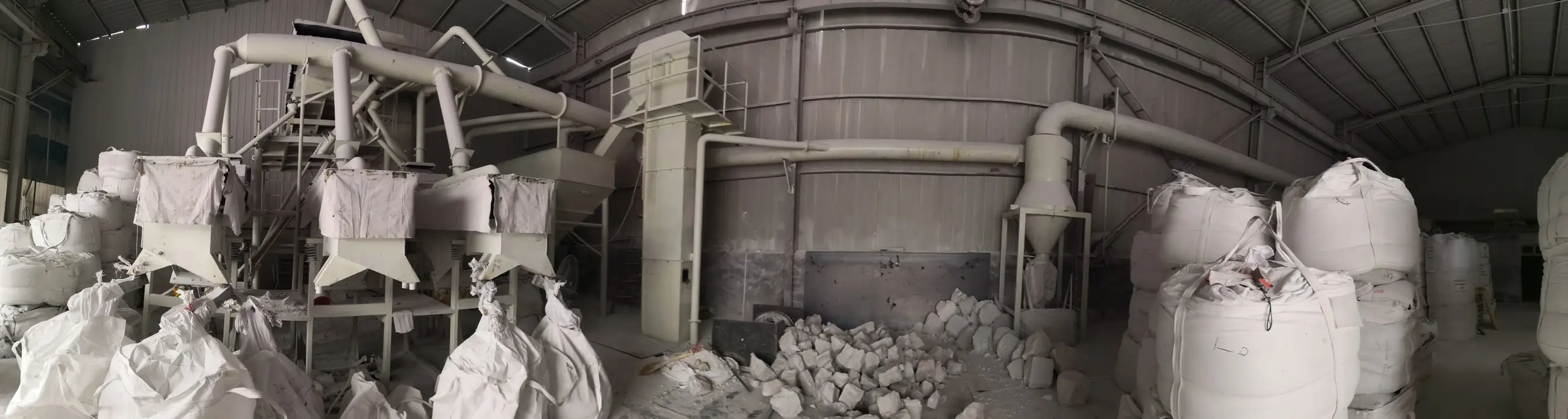
Every stage runs on our own lines in the Zhengzhou Superhard Materials Industrial Park. That is what makes grain shape, purity and particle size distribution ours to control rather than ours to hope for — 20,000 tonnes a year under a certified ISO 9001 system.
Raw material through to packed goods. Nothing in this chain is outsourced.
Industrial alumina powder, bauxite, petroleum coke and high-purity silica are received and checked before charging. PWA runs on imported industrial alumina powder.
Arc furnace fusion above the material melting point — 2250 °C for alumina; green silicon carbide is reacted above 1800 °C in a resistance furnace.
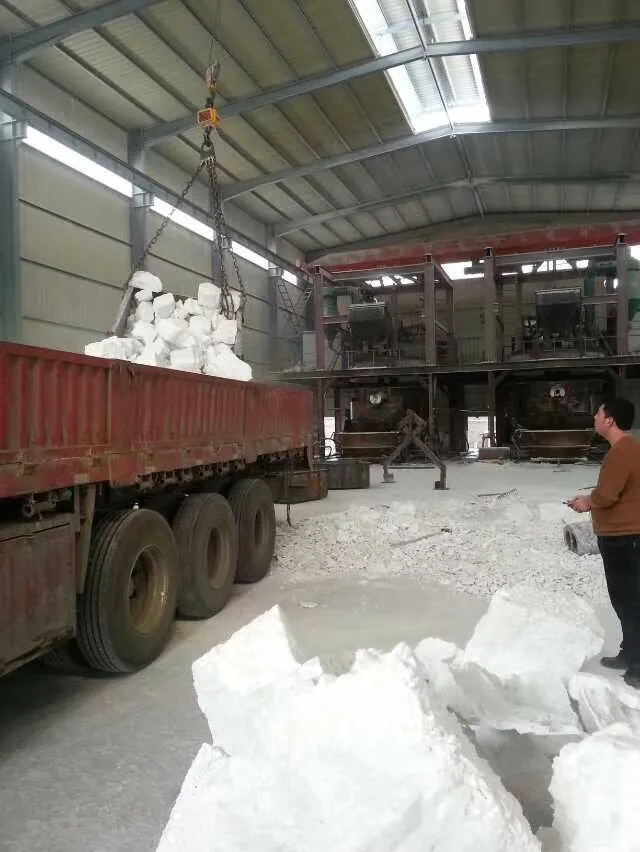
The melt is tipped from the tilting furnace, cooled to a crystalline block, then broken out and sorted by hand so only clean, fully crystallised material continues.
Barmac-type VSI crushing breaks blocks into full, sharp-edged grains. Shaping is what gives the micropowder its narrow distribution and high lapping efficiency.
Multiple ball-mill lines with integrated screening reduce grain to the target band, feeding both grit-sand and micropowder routes.
Magnetic separators and acid washing strip iron and residual contamination so Fe₂O₃ stays at the 0.01–0.02% level in the electronic-grade lines.
Air classification sets the final particle size distribution — the step that decides whether a batch meets FEPA, JIS or ANSI grading.
Full in-house inspection under the ISO 9001 system, then packing into bulk bags and cartons for domestic despatch and export.
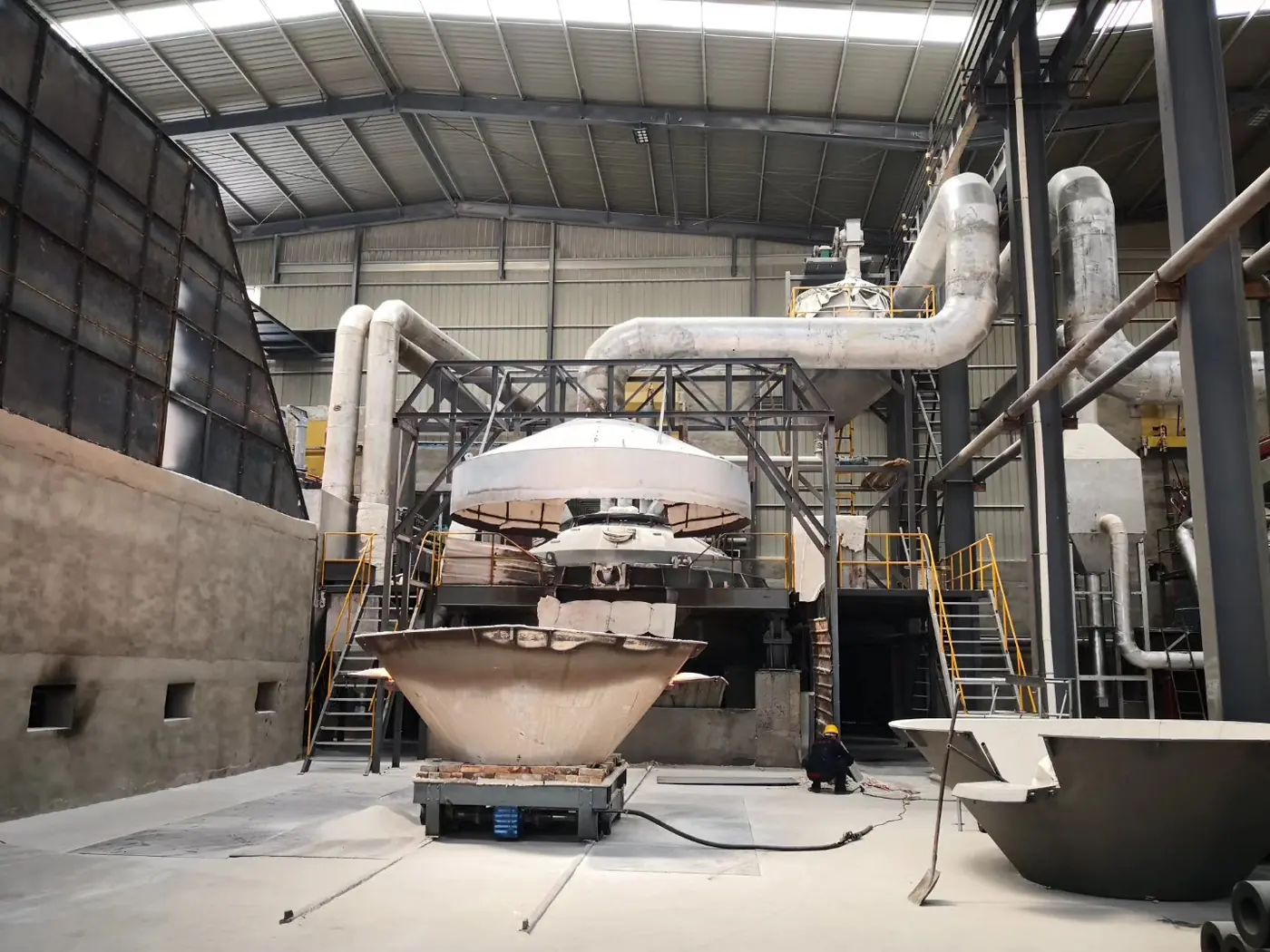
White fused alumina melts at 2250 °C and holds a 1900 °C maximum service temperature. The melt is tipped from the tilting furnace, cooled into a crystalline block, then broken out and hand sorted so only fully crystallised material moves on to crushing.
| Stage | Equipment | What it controls |
|---|---|---|
| Fusion | Electric arc furnace / tilting furnace | Crystal formation and phase purity |
| Reaction | Resistance furnace (above 1800 °C) | Green silicon carbide synthesis |
| Crushing | Barmac-type vertical shaft impact crusher | Full, sharp-edged, near-spherical grain |
| Milling | Ball mill lines with integrated screening | Target particle size band |
| Purification | Magnetic separator and acid washing | Fe₂O₃ down to 0.01–0.02% |
| Classification | Precision air classifier | Particle size distribution width |
| Inspection | Full in-house testing equipment | Chemistry and PSD conformance |
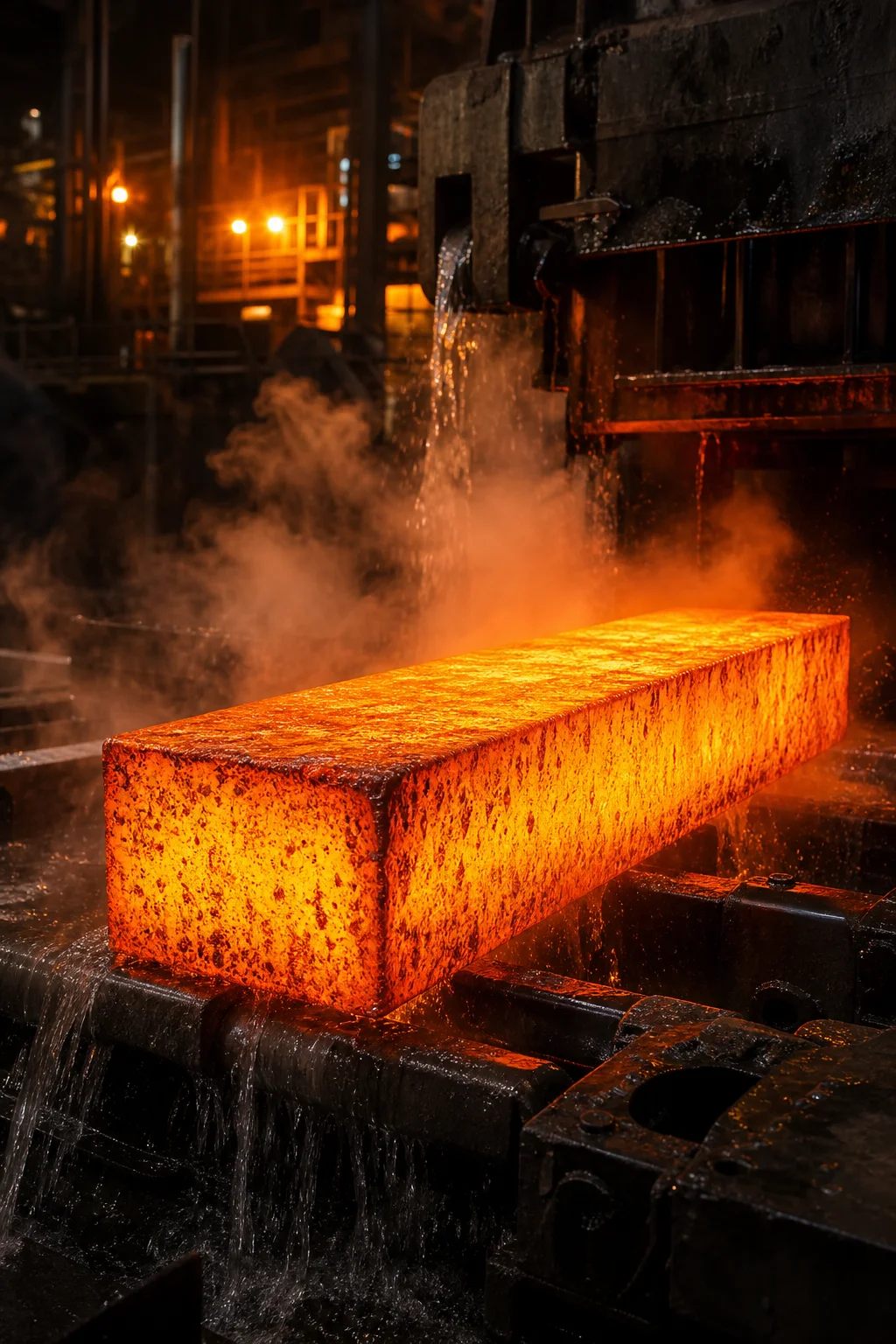
Each family starts from its own charge. The route decides both the chemistry ceiling and the grain character of the finished abrasive.
Feedstock for white fused alumina; imported grades are used for tabular alumina.
Charged together for brown fused alumina in the arc furnace.
Reacted above 1800 °C for green silicon carbide, which needs higher raw material purity than the black grade.
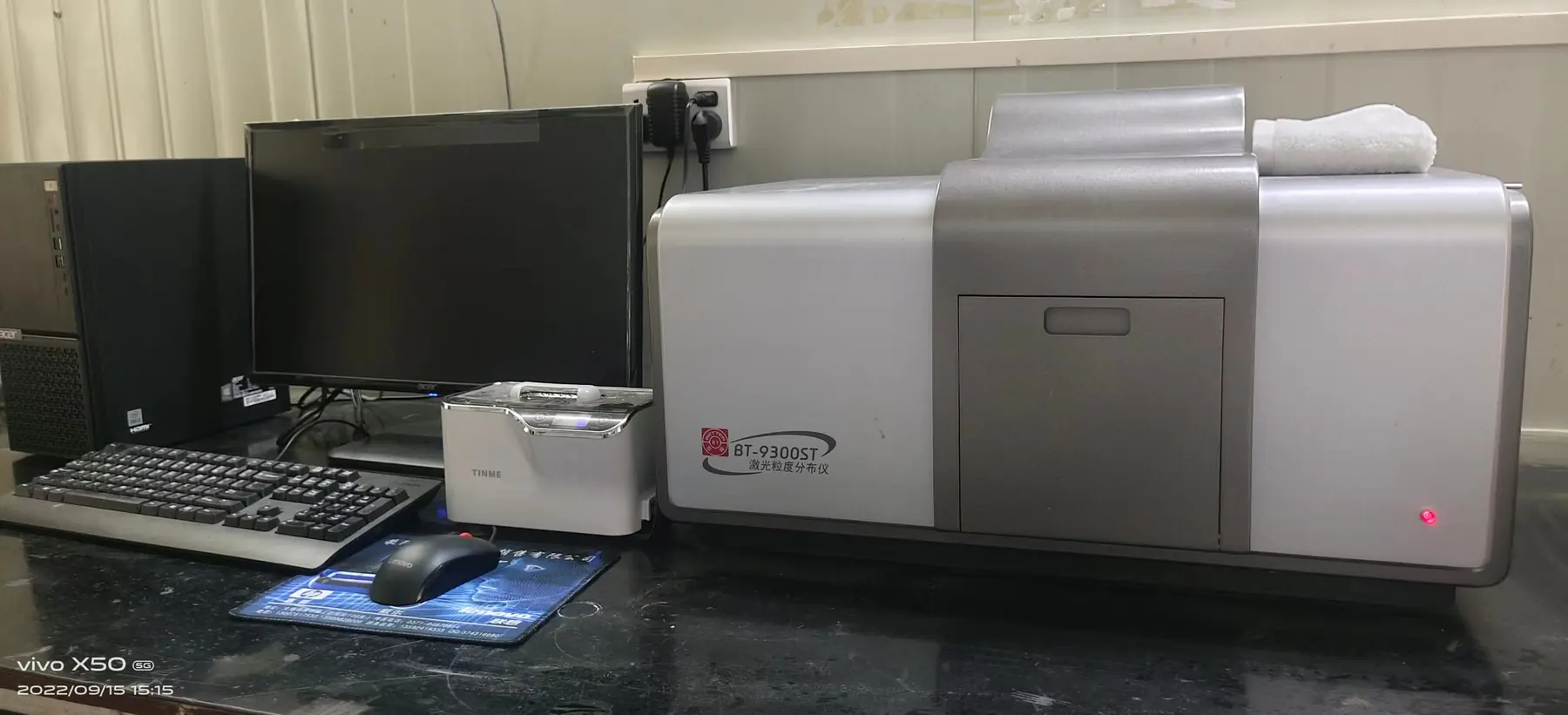
A full set of testing equipment and a strict quality control process operate under a certified ISO 9001 quality management system. Company standards are set against JIS.
Production runs under a certified ISO 9001 quality management system, with a full set of testing equipment and a strict quality control process in-house.
Multiple production lines produce material to EU FEPA, Japanese JIS and American ANSI grading, so an existing specification can usually be matched directly.
Particle size distribution and chemical composition are verified batch by batch — the WFA line holds Al₂O₃ at 99.81% with Fe₂O₃ at 0.01%.
Company standards are set against JIS. Proprietary process control gives more uniform particle size, comparable to well-known Japanese and American brands.
Any listed material can be produced to a customer-specified size or grade rather than only the standard catalogue bands.
Material is packed in bulk bags and cartons with batch identity retained through to shipping, supported by goods and technology import/export rights.
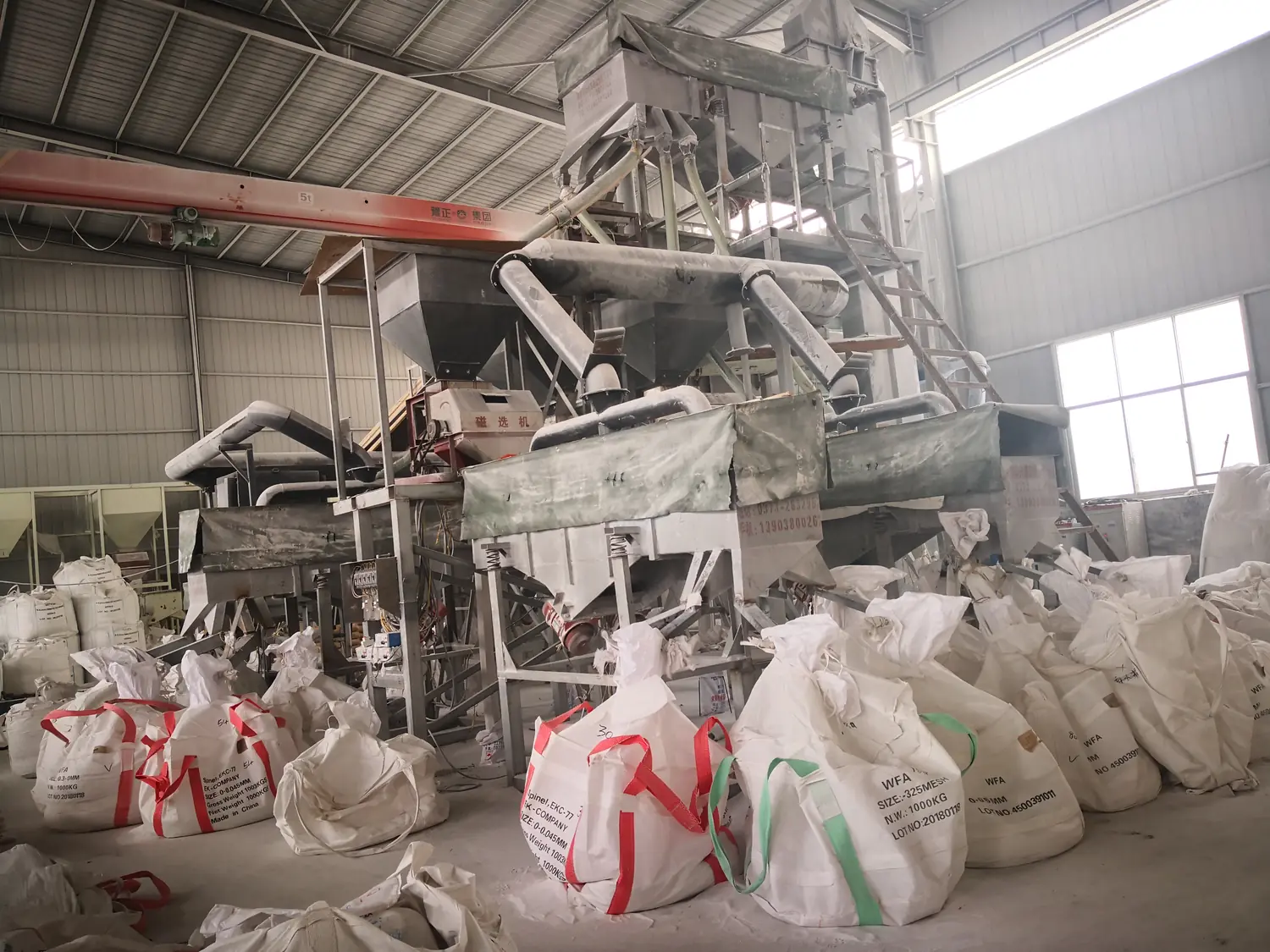
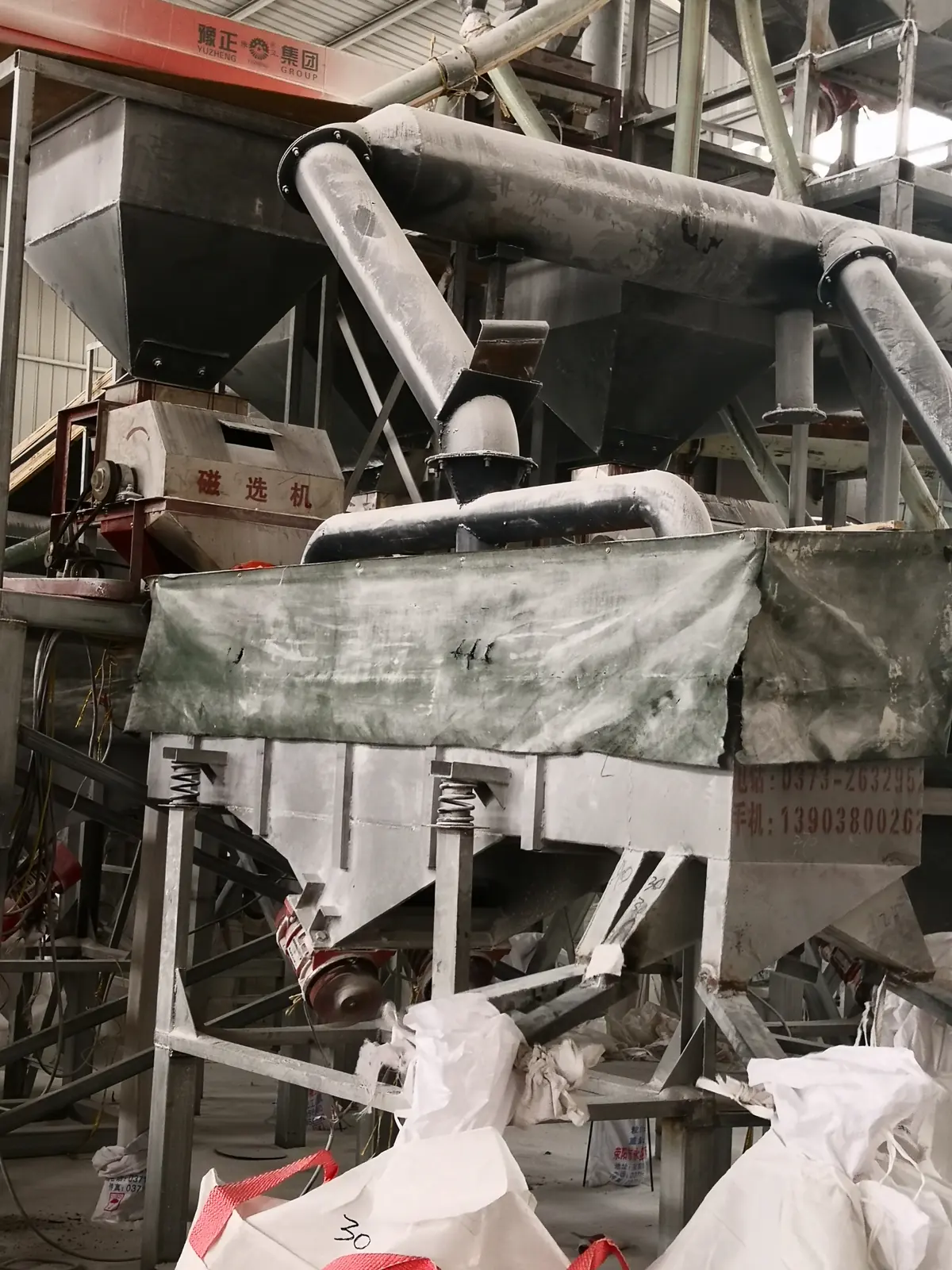
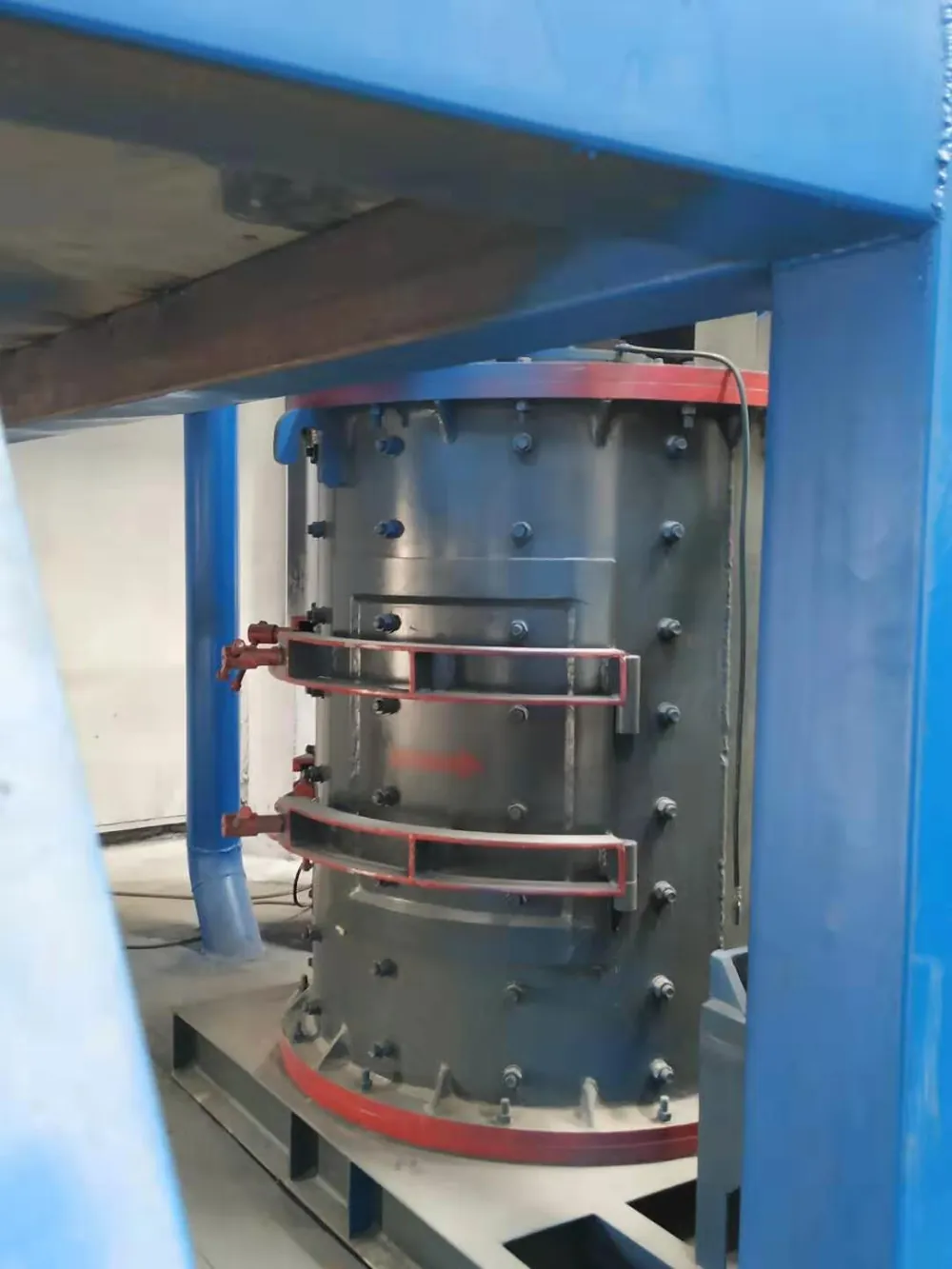
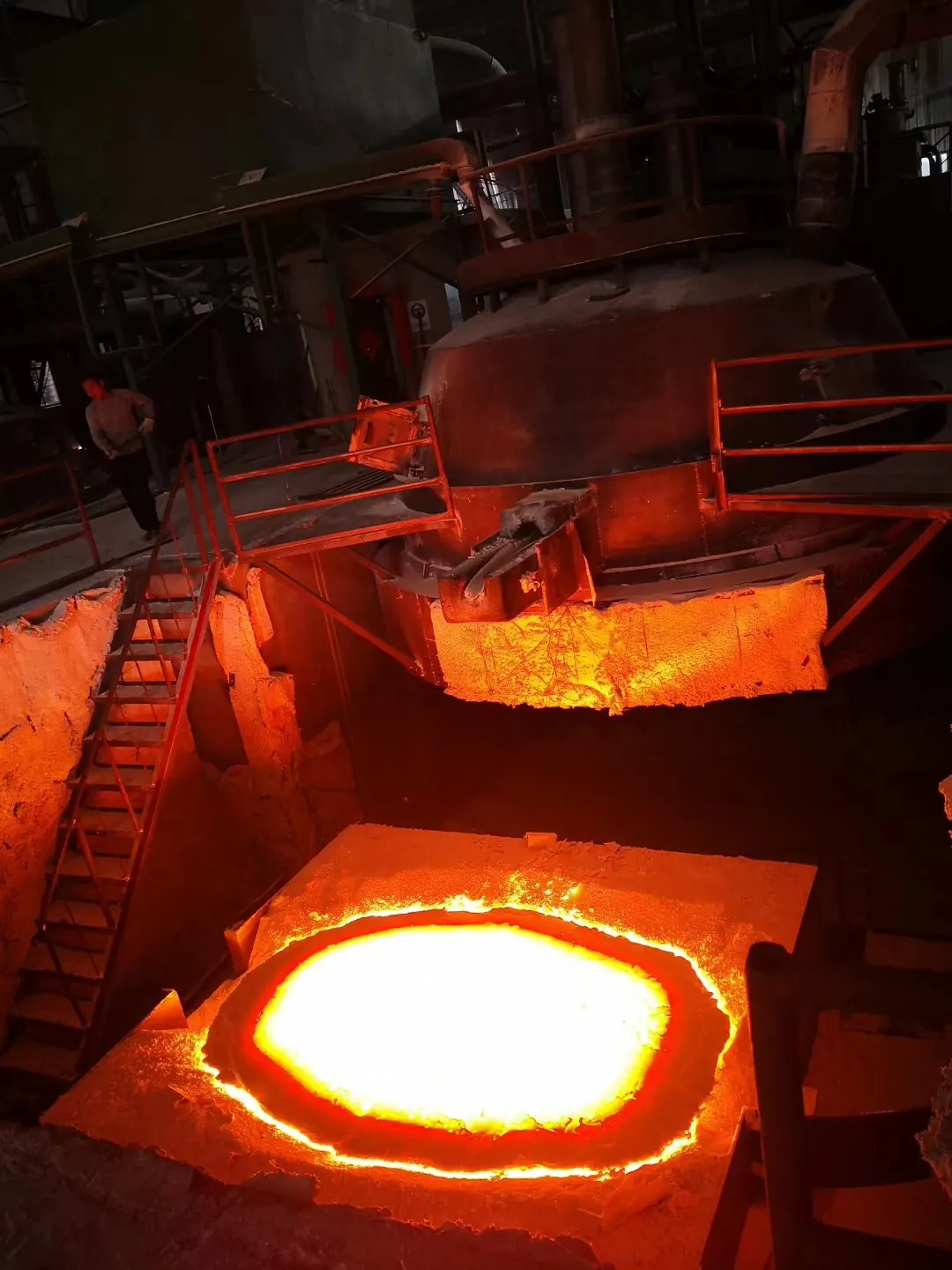
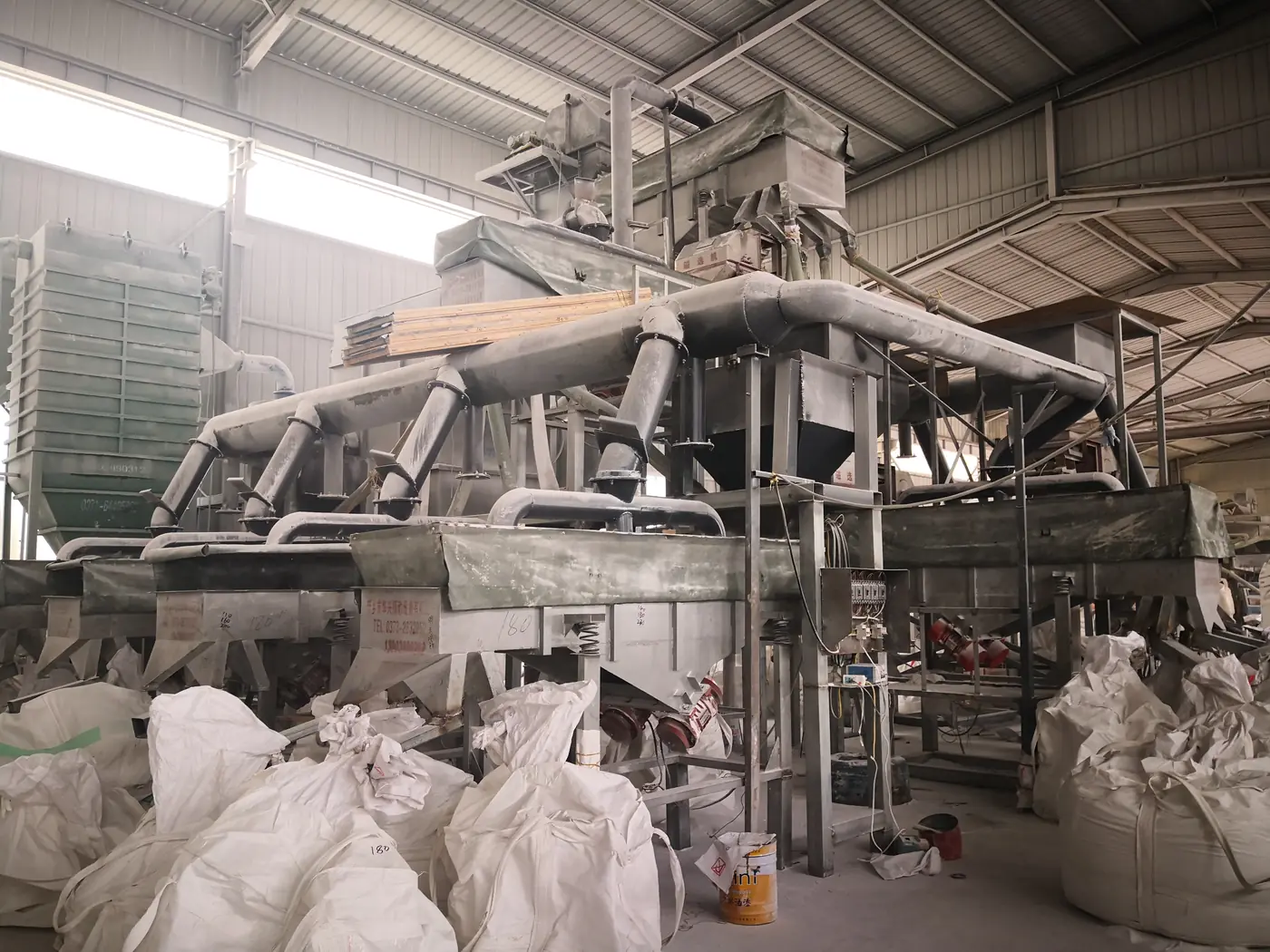
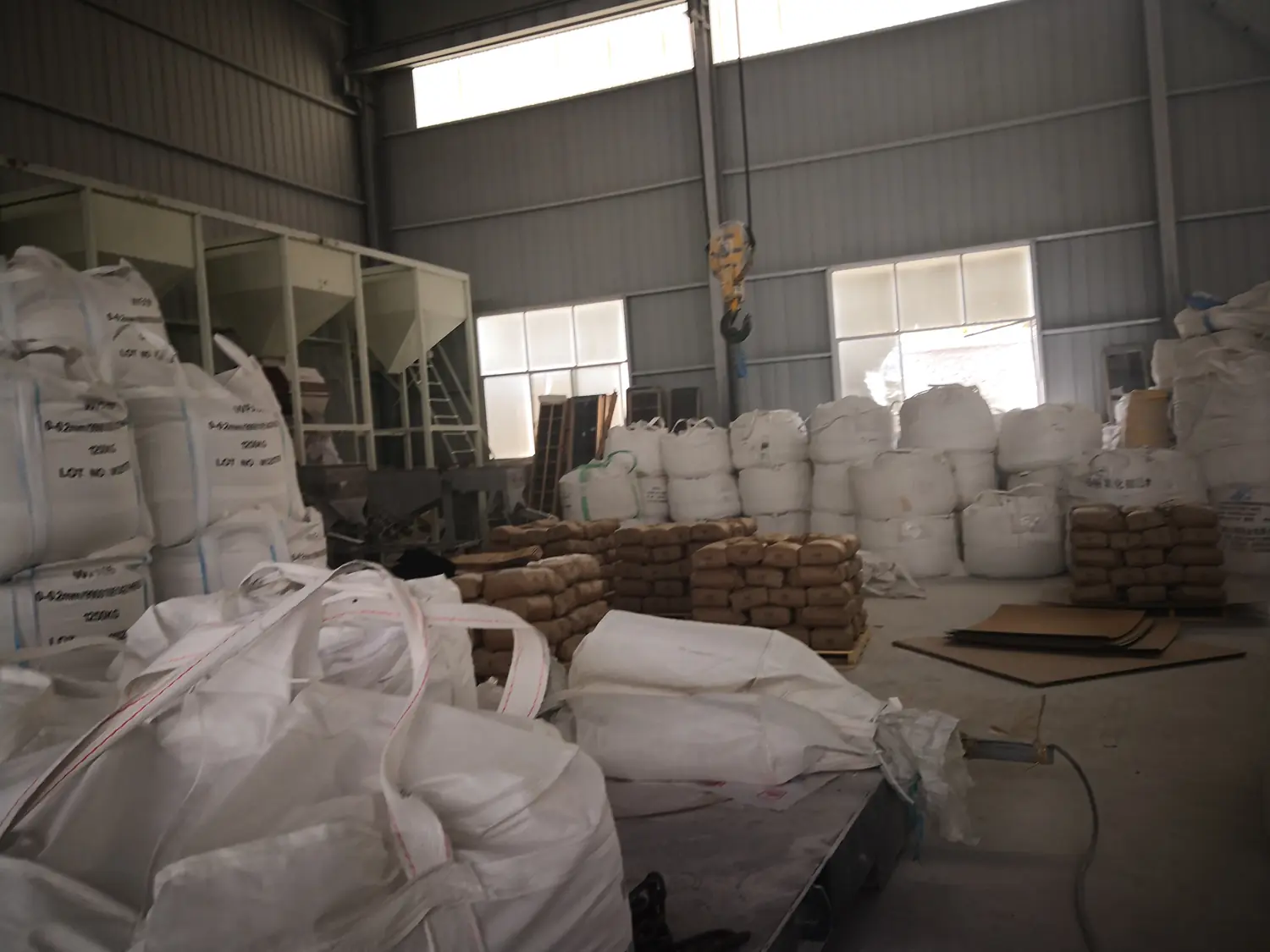
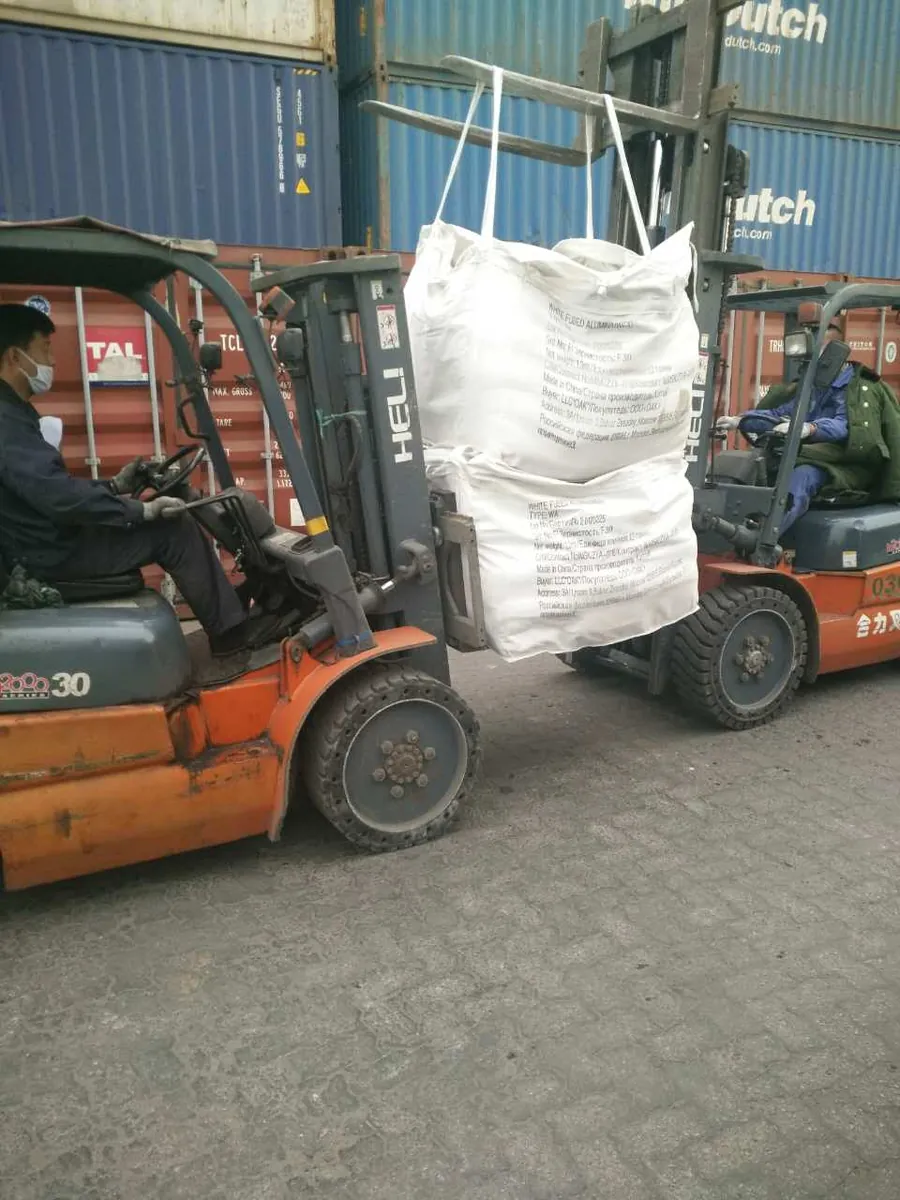
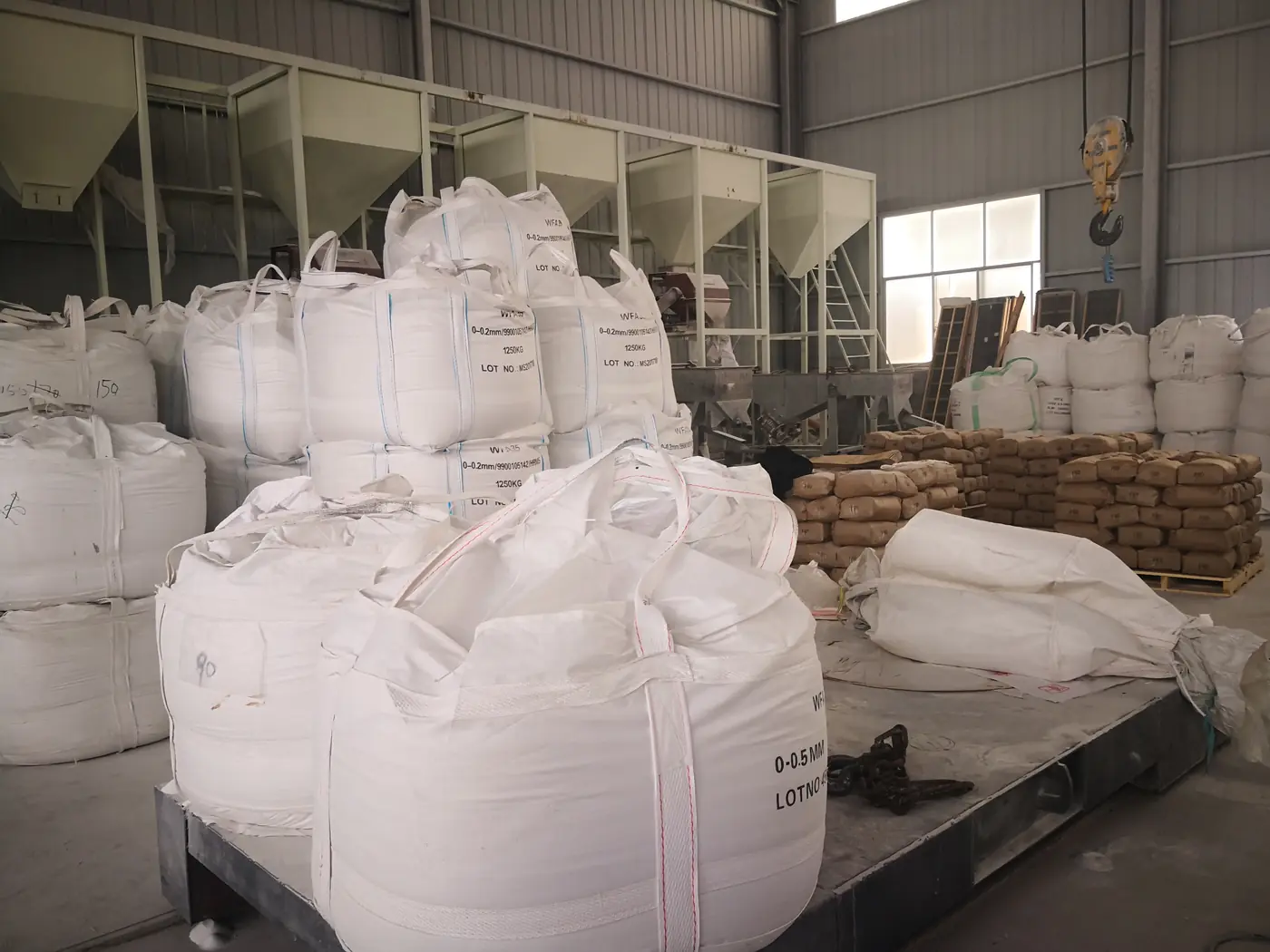
Material is packed into bulk bags and cartons with batch identity retained through to shipping. Goods and technology import/export rights are held directly, so export consignments do not pass through an agent.
Customers are welcome to visit the plant for inspection and technical discussion — contact Mr. Cai Feng on +86 158 3827 8887 to arrange a visit.
We will confirm chemistry, particle size distribution and the grading standard your process requires — FEPA, JIS or ANSI — before you commit to a trial order.