
Selection guides
Choose the right abrasive family, grit band and grading standard for each workpiece.
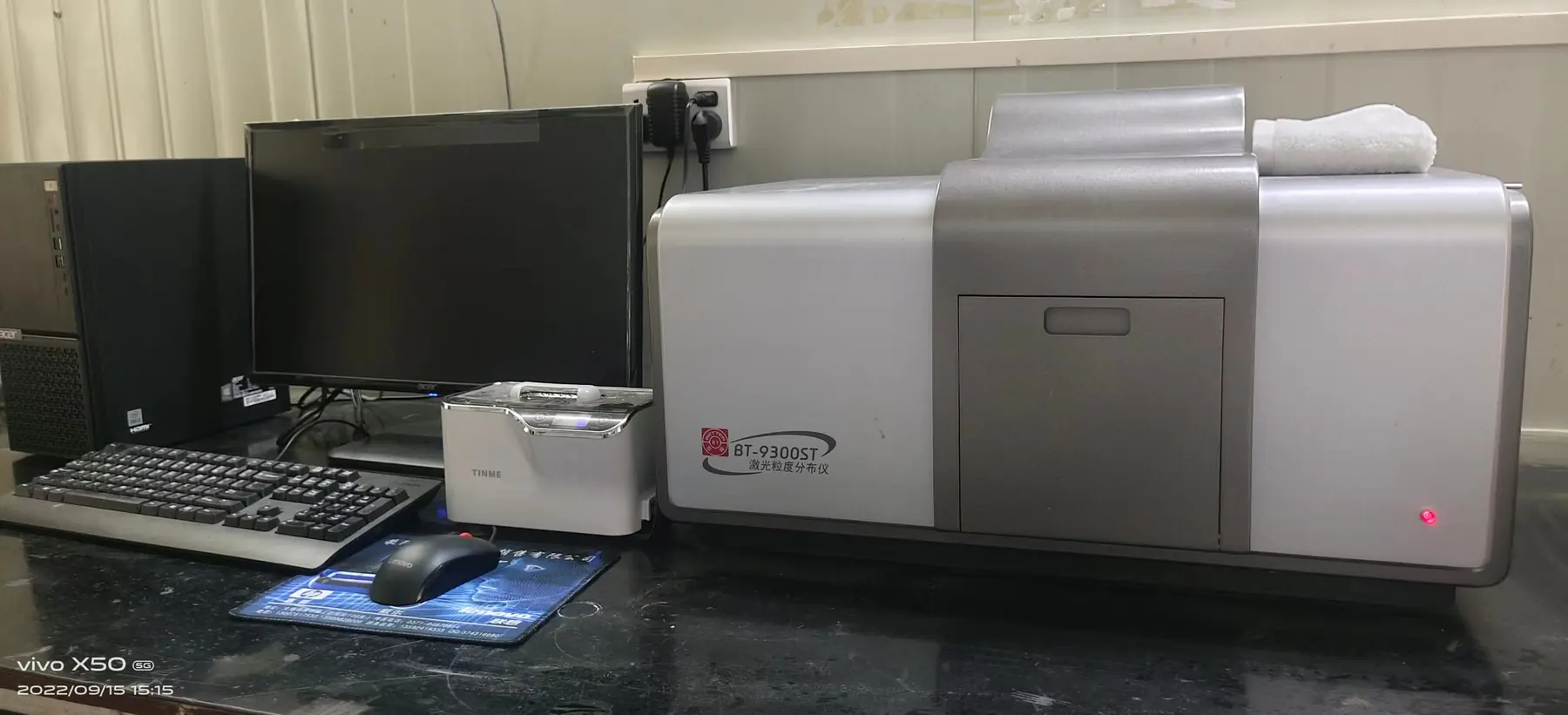
We publish the questions our technical team answers most often: how to select a material, how to read a specification, and what to check before an abrasive enters a precision polishing line.
We keep articles practical and specification-first, so they remain useful long after publication.
Choose the right abrasive family, grit band and grading standard for each workpiece.
Practical lapping and polishing guidance for semiconductors, crystals, glass and ceramics.
Chemistry, particle size distribution, batch traceability and inspection checkpoints.
Specification language, sample evaluation, packaging, logistics and export documentation.
A practical framework for matching material, hardness, grain shape and grit band to your workpiece.
The hexagonal platelet is not marketing language: it changes how pressure transfers and how the grain moves across a wafer.
A clear technical specification prevents most quotation delays, sample mismatches and incoming-inspection disputes.
Every article follows the same structure so buyers can compare materials and process decisions quickly.
Start with the process limitation: scratch, removal rate, consistency, purity or cost.
Connect grain shape, hardness, chemistry, grit distribution or grading standard to that limitation.
End with what to specify, what to test and what evidence to request from the supplier.
If a topic here does not answer your process question, send the workpiece material, target finish and current abrasive. We will suggest a grade and grit band.